
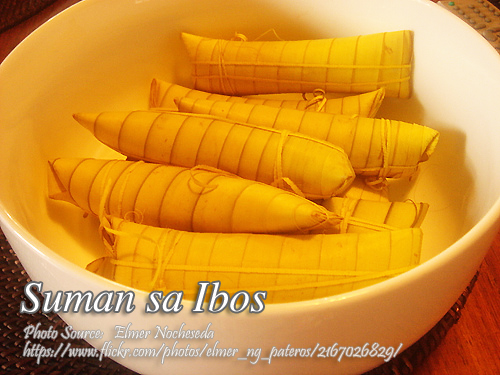
Suman sa ibos is the famous suman wrap in buli leaves. This suman is not usually found in wet markets or sidewalks many years ago and the only place I know where it is abundant is in Antipolo. But now a days there are lots of vendor selling this kakanin. Since there are no sugar or any sweeteners added to this suman, you have to dip it on sugar or coco jam to enjoy it. And it is best serve with a cup of hot chocolate drink.
What is Suman sa Ibos?
Suman sa ibos is one of those Filipino delicacies that quietly brings back memories with just one bite. Unlike the sweeter versions of suman commonly sold in wet markets wrapped in banana leaves, this native kakanin stands out because of its delicate spiral shape and the distinct aroma from buli leaves. It’s simple, mildly salty, and meant to be enjoyed with sugar, latik, coco jam, or slices of ripe mango.
Growing up, I only saw suman sa ibos during trips to Antipolo. Vendors would line the roadside early in the morning with bundles stacked neatly in baskets, still warm from cooking. My Tita Lina used to buy several dozens at a time because according to her, “Hindi masarap kapag malamig na.” She wasn’t wrong. Freshly cooked sticky rice cakes have a softer texture and a subtle coconut flavor that fades a little once refrigerated.
Today, this Filipino rice delicacy is easier to find in many local markets, but homemade versions still taste different. There’s something about preparing and wrapping each piece by hand that gives it more character and heart.
Why Buli Leaves Matter in Suman sa Ibos
One thing beginners quickly notice when making suman sa ibos is that the wrapping process is just as important as the rice itself. The buli leaves are not only for appearance. They add aroma and help shape the sticky rice while cooking.
Fresh buli leaves are pliable, but if they feel stiff or brittle, lightly passing them over low heat softens them enough to prevent tearing. This technique works because gentle heat releases moisture trapped in the fibers, making the leaves easier to roll. Skipping this step can lead to cracked wrappers and leaking rice during boiling.
The signature cone-like braid may look intimidating at first, but after wrapping a few pieces, your hands naturally learn the motion. The first batch I made looked uneven and loose. Some opened while boiling because I packed too much rice inside. It’s tempting to fill the wrappers fully, but the glutinous rice expands as it cooks and absorbs liquid. Leaving enough room prevents the casing from bursting.
Choosing the Right Rice
Good suman starts with the right kind of rice. Glutinous rice or malagkit is essential because regular rice won’t create the soft, sticky texture this kakanin is known for.
Before cooking, the rice needs to be washed well and soaked in water until swollen. This step may seem simple, but it makes a noticeable difference in texture. Soaking allows the grains to absorb moisture gradually, helping them cook evenly later. If you skip soaking, the outer layer may become mushy while the center stays slightly hard.
When mixing the rice with coconut milk and salt, the grains should look creamy but not overly wet. Coconut milk gives the sticky rice a rich flavor and subtle fragrance without needing sugar in the mixture itself. The salt balances the natural sweetness of the coconut and prevents the delicacy from tasting flat.
I learned the importance of salt the hard way after making a bland batch years ago. Even when dipped in sugar, the flavor felt incomplete. A small amount truly changes the overall taste.
Cooking the Traditional Way
Traditional suman sa ibos is cooked by boiling the wrapped rice cakes in water mixed with coconut milk. The bundles are arranged tightly in a large pot so they stay secure while simmering.
As the pot begins to boil, the kitchen slowly fills with the scent of coconut and warm rice. This is usually the point when older relatives start hovering nearby waiting for the first batch. My Kuya Ben always checked if the water level remained high enough because exposed portions cook unevenly and dry out.
Maintaining enough liquid during cooking is important because glutinous rice absorbs moisture continuously. If the pot dries out too soon, the rice may turn dense instead of tender. A gentle but steady boil works best. Cooking too aggressively can loosen the wrappers or make the grains gummy.
After about an hour or more, the rice becomes soft and fully cooked. You’ll notice the bundles feel firmer to the touch and the aroma becomes deeper and nuttier.
Why Suman sa Ibos is Served with Sugar and Mangoes
Unlike many Filipino rice cakes loaded with sugar, suman sa ibos is intentionally plain. This simplicity allows different accompaniments to shine.
The classic way to enjoy it is by dipping slices into white sugar. The contrast between the mildly salty rice and the sweetness creates balance without overwhelming the palate. Some prefer coco jam or latik for extra richness, while others pair it with ripe mangoes for a fresher flavor.
Hot chocolate or thick native tsokolate also makes the perfect partner. There’s something comforting about the combination of warm cacao and sticky rice during rainy afternoons.
One of my favorite breakfasts growing up was leftover suman lightly reheated on a pan until the outer layer turned slightly crisp. Paired with sweet mangoes and hot coffee, it was simple but filling.
Common Mistakes When Making Sticky Rice Delicacies
Many first-time cooks worry that their suman sa ibos turns out too hard or too mushy. Usually, the issue comes from either the rice-to-liquid ratio or cooking time.
Using too much coconut milk during soaking can make the rice overly soft before it even boils. On the other hand, insufficient liquid during cooking prevents the grains from fully expanding.
Another common mistake is wrapping the rice too tightly. Since the grains swell while cooking, compact wrappers restrict expansion and create dense centers. Looser wrapping allows the sticky rice to cook evenly while still holding its shape.
Patience also matters. Freshly cooked suman may seem too soft immediately after boiling, but it firms up slightly as it cools. Opening the wrappers too early can make the rice stick heavily to the leaves.
The Cultural Charm of Suman sa Ibos
Filipino kakanin often reflects regional traditions, and suman sa ibos is no exception. Antipolo remains strongly associated with this delicacy, especially during religious pilgrimages and family outings. Visitors heading to churches or scenic spots would usually bring home bundles of sticky rice cakes as pasalubong.
Part of its charm comes from how labor-intensive it is. Unlike modern desserts prepared quickly with machines, this rice delicacy requires soaking, wrapping, boiling, and careful handling. Each piece feels handmade because it truly is.
Even today, many families still gather together when preparing native delicacies. Someone washes the rice, another prepares the leaves, while others handle wrapping. The process itself becomes part of the experience.
Food historians often note how Filipino rice cakes evolved from practical rural cooking methods using available ingredients like rice, coconut, and palm leaves. Long before ovens became common, boiling and steaming were accessible techniques in many provinces. Dishes like suman sa ibos survived because they were affordable, filling, and easy to share.
Serving and Storing Suman sa Ibos
Suman sa ibos is best eaten warm, but leftovers can still be enjoyed the next day. Store them wrapped to prevent the rice from drying out. Refrigeration firms up the texture slightly, although reheating restores softness.
Steaming is the gentlest reheating method because it adds moisture back into the rice. Microwaving works too, but covering the sticky rice cakes with a damp cloth helps prevent dry spots.
If serving guests, arrange the wrapped bundles on a native tray with bowls of sugar, coco jam, and sliced mangoes on the side. The presentation feels rustic and inviting without much effort.
Simple, comforting, and deeply rooted in Filipino food culture, suman sa ibos remains one of those traditional treats that never really goes out of style.
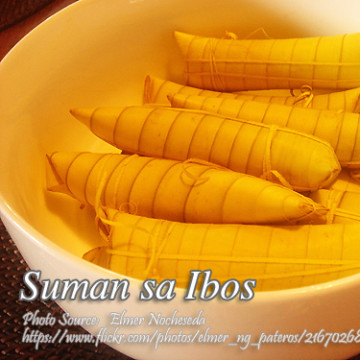
Suman sa Ibos

Ingredients
- 4 cups malagkit rice glutinous rice
- 1 1/2 Tbsp salt
- 3 cups thick coconut milk
- Buli leaves for wrapping the suman
Instructions
How to Cook Suman sa Ibos:
- Wash rice and soak with water until it swells. Mix with 2 cups coconut milk and salt.
- Wrap mixture in prepared buli leaves (do not fill them up completely).
- Place suman in large container.
- Fill with water and remaining 1 cup coconut milk until suman is completely immersed.
- Let boil until suman is cooked. Served with sugar and ripe mangoes.
Notes
Soak the Glutinous Rice Properly
Soaking the malagkit rice before cooking helps the grains absorb moisture evenly and prevents a hard center after boiling. Let the rice soak until slightly swollen so the suman sa ibos cooks soft and tender from edge to center. Skipping this step can result in uneven texture, especially when cooking large batches.Do Not Overfill the Buli Leaves
Leave enough space inside the wrappers because the sticky rice expands while cooking in coconut milk and water. Overfilled buli leaves can burst open during boiling and cause the rice to leak into the pot. A lightly packed wrap also helps the heat circulate better for evenly cooked suman.Keep the Suman Fully Submerged While Cooking
Make sure the suman sa ibos stays covered with liquid throughout the cooking process to avoid dry and undercooked portions. Add hot water if needed during boiling because cold water can suddenly lower the temperature and affect cooking time. A gentle steady simmer works best to keep the rice tender without making the wrappers fall apart.


Where did you get the buli