
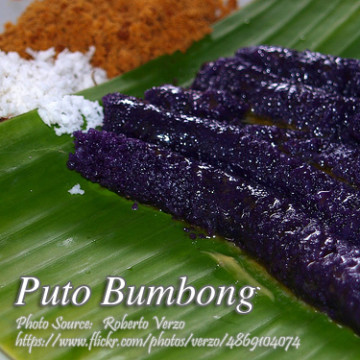
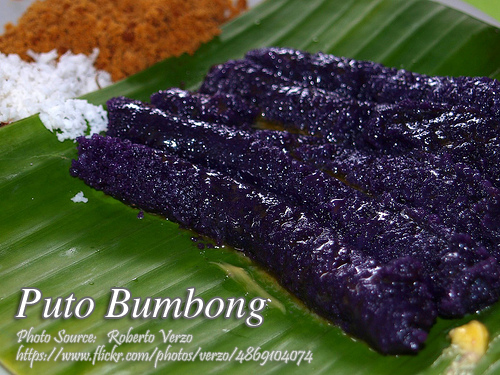
Puto bumbong is one of the favorite delicacies or kakanin that are sold in by street vendors during Holiday seasons like Christmas or sometime I can also see it during Lenten season outside the Churches. The lansungan or a specially made steamer used in cooking puto bumbong is constructed with two protruding tubes on a kettle like shaped steamer. The tubes are for holding the bamboo tubes filled with the puto bumbong mixture in order for the steam to pass through.
A Christmas Memory with Puto Bumbong
Every time I think about puto bumbong, I’m taken back to cold December mornings outside the church in our small town. My cousin Liza and I would wrap ourselves in thin jackets, our breath visible in the air, while vendors lined the street with steaming pots. Right after Simbang Gabi, the smell of freshly cooked rice cakes would fill the air, and that familiar purple delicacy was always the first thing we looked for.
My uncle Mario used to say that no Christmas season felt complete without puto bumbong. He grew up in Pampanga, where he learned that this rice cake wasn’t just food but part of a long-standing tradition tied to Filipino faith and family gatherings. According to him, even back then, people would gather after dawn mass to share simple treats like this, warm and comforting.
What Makes Puto Bumbong Special
What sets puto bumbong apart from other kakanin is the way it’s cooked and served. Traditionally, it uses a special steamer called a lansungan, fitted with bamboo tubes where the rice mixture is packed. The steam rises through the tubes, cooking the mixture evenly and giving it that soft yet slightly chewy texture.
My sister Ana once tried making this at home after a trip to Baguio, where she saw street vendors preparing it right in front of customers. She noticed how the vendors worked quickly, filling bamboo tubes, steaming them, and pushing out the cooked rice cake in one smooth motion. That experience made her curious enough to recreate it in our kitchen.
The distinct purple color, often achieved with food coloring or naturally with heirloom rice, makes it visually appealing. But more than that, it’s the combination of flavors that keeps people coming back. Freshly grated coconut, a sprinkle of sugar, and a bit of margarine melting on top bring everything together.
Preparing the Rice for Puto Bumbong
The process starts with soaking a mixture of malagkit and ordinary rice in salted water with violet coloring for about an hour. My aunt Teresa always emphasized this step. She said soaking allows the grains to absorb moisture evenly, which helps create that tender texture once steamed.
After soaking, the rice is drained and left to dry overnight, usually inside a flour sack with something heavy placed on top. This step might seem simple, but it’s actually important. Removing excess water prevents the mixture from becoming too sticky or mushy during steaming. It also helps achieve that slightly grainy consistency that makes puto bumbong so satisfying to eat.
By morning, the mixture is ready. I remember helping my brother Carlo once, carefully checking if the rice felt dry enough. It’s one of those small details that make a big difference in the final result.
Steaming the Puto Bumbong
Cooking the rice cake involves heating the lansungan or a regular steamer filled with enough water to produce steady steam. The rice mixture is then placed inside bamboo tubes, also called bumbong, before being attached to the steamer.
This method works because the bamboo tubes trap the steam, allowing heat to circulate evenly around the rice. The result is a uniformly cooked delicacy with a soft interior. When steam starts coming out of the tubes, it’s a sign that the rice cake is ready.
My uncle Mario used to say that timing is everything here. Leaving it too long can dry it out, while removing it too early can leave it undercooked. Once done, the cooked rice is immediately pushed out of the tube, usually onto a banana leaf, which adds a subtle aroma.
Serving and Enjoying This Filipino Delicacy
Serving puto bumbong is just as important as cooking it. It’s typically topped with freshly shredded coconut, sugar, and a generous dab of margarine. The heat from the rice cake melts the margarine, creating a rich and slightly salty contrast to the sweetness of the sugar.
I still remember one Christmas when my cousin Liza tried adding condensed milk on top. It wasn’t traditional, but it worked surprisingly well. That’s the beauty of this dish. While it has deep roots in Filipino culture, there’s always room to make it your own.
The Story Behind the Tradition
Puto bumbong has long been associated with Simbang Gabi, a series of early morning masses leading up to Christmas. Vendors would prepare it fresh outside churches, making it accessible to families heading home after prayer. Over time, it became more than just a snack. It turned into a symbol of togetherness and celebration.
For beginners trying this at home, the process might seem a bit involved, especially without traditional equipment. But the heart of the dish lies in its simplicity. It’s about using basic ingredients, applying the right techniques, and sharing the result with people you care about.
Even now, whenever I see puto bumbong being sold, I can’t help but stop and buy a serving. It’s not just about the taste. It’s about the memories that come with it, the stories passed down, and the feeling of home in every bite.
How to Make Puto Bumbong

Ingredients
- 1 kilogram malagkit glutinous rice, mixed with 125 grams ordinary rice
- 1 pc mature coconut shredded
- butter or margarine
- violet food coloring
- banana leaves
- water for steaming the puto bumbong and soaking the rice
- salt
- sugar
Instructions
How to cook puto bumbong:
- Soak malagkit and ordinary rice mixture in salted water with violet food coloring for 1 hour.
- Let dry overnight by putting inside a flour sack.
- Put something heavy on top to squeeze out water.
- Mixture is ready for cooking the following morning.
- Heat steamer (lansungan) with enough water.
- Put a small amount of rice mixture inside bamboo tubes (bumbong).
- Attached bamboo tubes to lansungan or steamer.
- When steam comes out of bamboo tubes, remove and immediately push out puto bumbong.
- Top with shredded coconut, margarine and sugar before serving.
Notes
Cooking Tips:
Use the Right Rice Texture for Puto Bumbong
Getting the texture right starts with properly soaked and dried rice. If the mixture is too wet, the puto bumbong can turn dense instead of light and slightly fluffy. Aim for a crumbly, slightly moist consistency so steam can pass through evenly during cooking.Don’t Overfill the Bamboo Tubes
When loading the bamboo tubes, avoid packing the rice mixture too tightly. Leaving a bit of space allows the steam to circulate better, which helps cook the puto bumbong evenly from the inside out. This simple step prevents undercooked centers and ensures a soft, tender bite.Serve Immediately While Hot
Puto bumbong is best enjoyed right after steaming while it’s still warm and soft. The heat helps melt the margarine and lets the sugar and coconut blend perfectly with the rice cake. Waiting too long can cause it to firm up, making it less enjoyable to eat.



thanks for helping my project!!!!!!!!!
Sa puto bombong po ba! Pinapagaling(or ipapa.blend ) bago ibabad kasama ng mga ibang sangkap magdamag?.. Please answer me! Thanks Godbless
@Kim
You only need to soak the malagkit or glutinous rice with the food coloring.
ang tanong ko po about puto bongbong…pano po maiiwasan na madaling..lumabas ang putobongbong dun sa kahoy…salamat po
…dumidikit ang malagkit sa kahoy ang ..pano po ito maiiwasan
@zeny leano
Pahiran nyo po lng lard or margarine yung bamboo tubes sa loob bago nyo iluto at lagyan ng laman.
sa mga unang luto mabilis lang lumabas sa bumbong pag naka rami nako luto hirap na alisin sa bumbong kahit nilalagyan ko mantika bawat luto ano po kaya problem salamat
pag po ayaw maluto ng puto bumbong sa bamboo ano po sa tingin nyo ang problema?
Para saan po ang asin ? Saan po sya dapat ilagay ?
Hi Paps, dun po siya ilalagay sa tubig, kaya sya naging salted water.
Pano po maiiwasang tumigas ang putobungbong kumg ito ay lumamig na sa pagkakaluto.?