
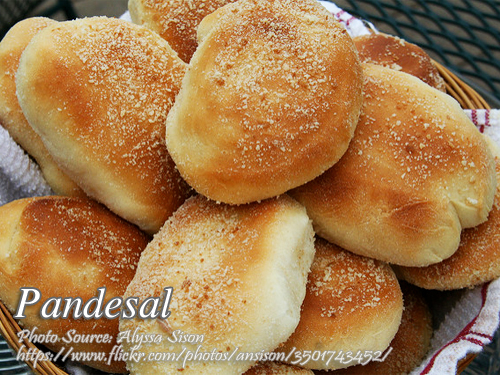
Pandesal is a Filipino staple bread and we are very familar with this bread. Breakfast will be incomplete without pandesal when you are having a cup of coffee. And one of my comfort food paring with pandesal is corned beef. Making a mini sandwich using corned beef with pansedal together with a cup of coffee is heavenly!
Waking Up to the Smell of Fresh Pandesal
There’s something about waking up to the smell of freshly baked pandesal that brings me straight back to my childhood in Laguna. My Lolo Ernesto used to wake up before sunrise, slip on his tsinelas, and walk to the corner bakery while the rest of us were still asleep. By the time we gathered around the table, there would be a paper bag in the center, warm and slightly damp from the heat of the bread inside.
Breakfast never felt complete without pandesal and a steaming cup of coffee. Sometimes we filled it with scrambled eggs. Other days it was just a swipe of butter melting into the soft center. Simple, but it always felt like enough.
Why Pandesal Is a Filipino Favorite
Pandesal has long been a staple in Filipino homes. The name comes from the Spanish words for “salt bread,” a reminder of the country’s colonial past. But over the years, this humble roll has become uniquely ours. Slightly sweet, lightly crisp on the outside, and soft on the inside, it’s the kind of bread that fits any time of day.
My sister Maricel once told me that when she visited Bulacan, she noticed how every small bakery had its own version of pandesal. Some were fluffier, others more dense. A few even had a deeper golden crust. That’s the beauty of it. This bread may be simple, but every family and every panaderya seems to have its own touch.
Making Pandesal at Home the Way My Tito Suggested
The first time I tried making pandesal from scratch, I called my Uncle Boy for advice. He used to help at a neighborhood bakery when he was younger, and he told me not to rush the process. “Good bread takes time,” he said.
You start by combining shortening, sugar, salt, and boiling water in a large mixing bowl. The boiling water helps dissolve the sugar and salt evenly, ensuring that every bite is well seasoned. Once the mixture cools to lukewarm, you add warm water and sprinkle in the dry yeast. Letting it stand for about five minutes allows the yeast to activate. You’ll know it’s working when it begins to look foamy. This step is important because properly activated yeast is what gives the bread its soft, airy texture.
Gradually adding the flour keeps the dough from becoming too dense too quickly. When you turn it out onto a lightly floured board and knead, you’re developing gluten. That’s what gives pandesal its structure. Kneading until smooth ensures the dough can trap air as it rises, which creates that tender crumb we all love.
The Secret to Soft and Fluffy Pandesal
When my cousin Liza first made pandesal, she skipped the second rise because she was in a hurry. The rolls turned out flat and heavy. That’s when we learned why letting the dough rise properly matters.
After kneading, brushing the dough with shortening keeps the surface from drying out. Covering it and letting it rise in a warm place until doubled in size gives the yeast time to work. As it ferments, it produces gas that expands the dough, making it light and fluffy.
Punching down the dough might seem harsh, but it actually helps release excess gas and redistributes the yeast. This leads to a more even texture. Dividing the dough into equal parts ensures consistent baking. Rolling each piece into ovals and coating them in breadcrumbs gives pandesal its signature look and slight crunch on the outside.
That breadcrumb coating is something my Nanay always insisted on. She said it keeps the crust from becoming too hard while adding texture. Once placed on greased cookie sheets and covered for a second rise, the dough puffs up again, promising soft rolls once baked.
Baking Pandesal to Golden Perfection
Baking at 425 °F for 15 to 20 minutes creates that beautiful golden brown crust. The high heat gives the bread a quick lift, known as oven spring. This final burst of expansion makes the rolls airy inside while the outside turns lightly crisp.
When I pull a tray of pandesal from the oven, I always tap the bottom of one roll. If it sounds hollow, I know it’s done. The smell alone is enough to draw everyone into the kitchen.
There’s something deeply comforting about making this Filipino bread at home. It connects us to early mornings, family conversations, and the simple joy of sharing warm bread at the table. In a world of fancy pastries and complicated recipes, pandesal remains steady and familiar.
Maybe that’s why we keep coming back to it. It’s not just bread. It’s memory, tradition, and comfort rolled into one soft, golden piece. And once you’ve made pandesal from scratch, you’ll understand why it has stayed a breakfast favorite for generations.

How to Make Pandesal

Ingredients
- 1 tablespoon shortening
- 1 cup warm water
- 1 tablespoon sugar
- 2-1/2 teaspoon dry yeast
- 1 tablespoon salt
- 5 cups sifted flour
- 1 cup boiling water
- bread crumbs for coating
Instructions
How to make Pandesal:
- Combine shortening, sugar, salt and boiling water in a large mixing bowl.
- Cool to lukewarm. Add warm water and sprinkle in dry yeast.
- Stir until well blended. Let stand 5 minutes.
- Add flour gradually and turn out on a light floured board.
- Knead until smooth and brush with shortening.
- Cover and let rise in warm place until double in size.
- Punch down and turn out on a lightly floured board.
- Divide dough into 24 equal parts and shape into ovals.
- Roll in bread crumbs. Place on greased cookie sheets.
- Cover, let rise in warm place.
- Bake at 425 °F for 15 to 20 minutes or until golden brown.
Notes
Cooking Tips:
Use the Right Water Temperature
Make sure the water is warm, not hot, when activating the yeast for pandesal. If it’s too hot, it can kill the yeast and prevent the dough from rising properly. Aim for lukewarm water so the yeast blooms well and creates a soft, fluffy texture.Knead Until Smooth and Elastic
Knead the dough until it feels smooth and slightly elastic to the touch. Proper kneading develops gluten, which gives pandesal its structure and light crumb. If the dough tears easily, continue kneading until it becomes more flexible and cohesive.Don’t Skip the Second Rise
Allow the shaped dough to rise again before baking. This second proofing helps the pandesal become airy instead of dense. Skipping this step can result in heavy rolls that lack the signature soft interior.
A good breakfast for filipinos… 🙂