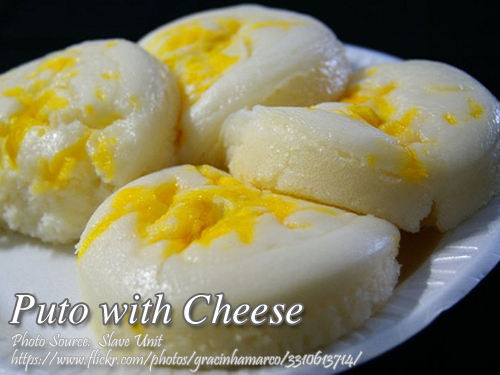
Puto with cheese is one of the native delicacies in the Philippines. There are many variations of puto or steamed rice cakes that are created in different regions of the Philippines. Puto was once made from rice soaked in water then ground to make a thick consistency then added to the other ingredients to make a batter. Modern puto now is usually made of flour because it is easier to use and readily available in the supermarket or wet market.
A Family Memory Behind Puto with Cheese
Growing up, weekends in our house were never quiet. Someone was always visiting, and there was always something steaming on the stove. My Tita Corazon from Bulacan was known for bringing homemade rice cakes wrapped in banana leaves. She used to say that a good merienda did not need to be fancy, it just needed to be warm and shared. That is where my love for puto with cheese really started. I did not learn it from a cookbook at first. I learned it by watching and tasting, then asking questions when the kitchen finally slowed down.
Back then, my uncle Ruben would tease that puto was “poor man’s cake,” but he always reached for seconds. When I started recreating it years later, I followed his advice to keep the batter light and not rush the steaming. That simple tip changed everything.
The Roots of Puto in Filipino Cooking
Puto has a long history in Filipino cuisine. Before flour was easy to find, our grandparents made it from rice soaked overnight, ground by hand, and fermented slightly for flavor. Each province had its own version, from the small bite-sized ones sold outside churches to the larger steamed cakes served during fiestas. Adding cheese came later, when dairy became more accessible. The salty topping balanced the mild sweetness of the rice cake and made it more appealing to younger tastes.
Modern versions, including puto with cheese, now use flour because it is convenient and consistent. For beginners, this approach removes a lot of guesswork while still keeping the spirit of the dish alive.
Why Sifting and Beating Matter in Puto with Cheese
When my sister Liza worked in a small bakery in Quezon City, she told me they sifted the dry ingredients more than once. At home, I thought it was unnecessary until I tried it myself. Sifting the flour, baking powder, and salt several times breaks up lumps and incorporates air. This helps the batter steam into a soft, even crumb instead of a dense one.
Beating the egg yolks until they turn pale also matters. This step dissolves the sugar and creates a smoother base, which leads to a finer texture once steamed. These small techniques may feel extra, but they are the reason homemade puto tastes light instead of heavy.
Folding the Batter the Way My Uncle Taught Me
The first time I made this recipe alone, I overmixed it. My uncle Ruben laughed and said, “Hindi yan pancake.” Folding gently is key. Alternating the flour mixture with water and milk keeps the batter from tightening up too quickly. The liquid hydrates the flour slowly, which prevents toughness.
Beating the egg whites separately and folding them in last adds lift. Steam alone can only do so much. The trapped air in the egg whites expands during steaming, giving puto with cheese its soft and fluffy structure. This is why folding instead of stirring is so important.
Steaming Puto with Cheese the Traditional Way
Steaming is where patience comes in. My cousin Marco from Pampanga once rushed the process and ended up with a soggy center. Covering the pan with cheesecloth keeps water droplets from falling onto the batter. Excess moisture can make the surface gummy and uneven.
A steady steam for about half an hour allows the batter to cook through gently. The heat sets the structure without drying it out. When a tester comes out clean, you know the cake is ready, just like the old timers did it.
Why Cheese Makes Puto with Cheese Special
Cheese may seem like a simple topping, but it does a lot of work. The saltiness contrasts with the mild sweetness of the cake. As it melts, it adds richness and aroma. My brother Anton prefers grated quick-melt cheese, while I sometimes use mild cheddar for a deeper flavor. Either way, the cheese turns an everyday rice cake into something more satisfying.
Serving and Sharing This Filipino Classic
For me, puto with cheese is best eaten warm, preferably with a cup of coffee or tsokolate. It reminds me of family conversations that lasted longer than planned and afternoons that felt slower. This recipe may be simple, but it carries generations of adaptation and care.
If you are new to Filipino cooking, this is a good place to start. It teaches you basic techniques like folding, steaming, and balancing flavors. More than that, it shows how food can carry stories. Every time I make puto with cheese, I think of the people who taught me, even if they did not realize they were teaching at all.
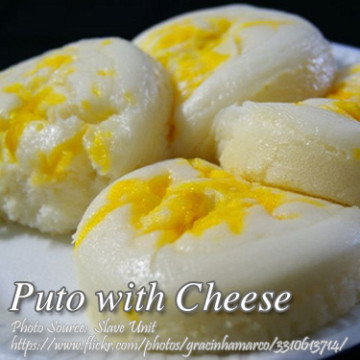
How to Make Puto with Cheese

Ingredients
- 1/2 cup all purpose-flour
- 1/2 cup cake-flour
- 2 tsp baking powder
- 1/2 tsp salt
- 2 pcs egg yolks
- 3/4 cup white sugar divided
- 1/3 cup water
- 1/3 cup evaporated milk
- 1/4 tsp vanilla
- 2 pcs egg whites
- 2 Tbsp. cheese grated
Instructions
How to make puto with cheese:
- In a medium mixing bowl, sift all purpose flour, cake flour, baking powder and salt three times. Set aside.
- Beat yolks until lemon colored. Add 1/2 cup sugar gradually and continue beating.
- Fold in flour mixture to egg yolks alternately with water and milk. Add vanilla. Set aside.
- Meanwhile, beat egg whites until soft peaks form. Add 1/4 cup white sugar and continue beating until stiff.
- Fold in egg batter. Blend well and pour mixture in a 9-inch cake pan.
- Sprinkle grated cheese on top. Cover with cheese cloth.
- Steam for 30 minutes or until a tester inserted in the center comes out clean.
Notes
Cooking Tips:
Use Room Temperature Eggs for a Smoother Batter
Always let your eggs sit at room temperature before starting the recipe. Cold eggs do not whip as well and can make the batter uneven. This small step helps create a smoother mixture and a softer puto with cheese once steamed.Fold Gently to Keep the Cake Light
When combining the egg whites with the batter, use a light hand and fold slowly. Overmixing will deflate the air you worked hard to build, resulting in a dense texture. Gentle folding keeps the steamed cake fluffy and tender.Control Steam to Avoid a Soggy Top
Make sure the steamer is producing steady but not aggressive steam. Covering the pan with cheesecloth prevents water droplets from dripping onto the surface of the puto with cheese. This keeps the top smooth, the cheese neatly melted, and the texture just right.