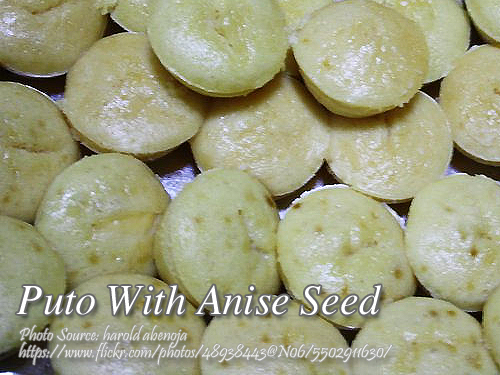
Turn an ordinary puto into a flavored one with anise seeds. This is actually steamed Filipino muffins with anise seeds. One special thing about this puto is it contain coconut milk instead of water only or evaporated milk.
Puto with Anise Seed: A Fragrant Twist on a Filipino Favorite
Puto is one of those classic Filipino snacks that instantly brings a sense of comfort. Soft, fluffy, and lightly sweet, these steamed rice cakes have long been a staple at family gatherings, fiestas, and merienda tables. While many versions rely on plain batter or are flavored with cheese, pandan, or ube, this puto with anise seed offers something a little different. The addition of anise seeds gives the steamed muffins a delicate licorice-like aroma that makes each bite more interesting and memorable.
What makes this version even more special is the use of coconut cream instead of water or evaporated milk. Coconut cream adds richness and a subtle sweetness that complements the warm flavor of the anise. The result is a moist, tender puto with a fragrant aroma that fills the kitchen as it steams.
Growing up, I often associated the scent of anise with traditional Filipino baked goods and holiday treats. The first time I tried adding it to puto, I was surprised by how well it worked. The flavor wasn’t overpowering. Instead, it added a gentle herbal note that balanced the sweetness of the batter beautifully.
The History Behind Puto with Anise Seed
Puto has deep roots in Filipino cuisine and has evolved into many regional variations over the years. Traditionally made from fermented rice batter, modern versions often use all-purpose flour and baking powder for convenience. This adaptation allows home cooks to prepare soft and fluffy steamed cakes without the lengthy fermentation process.
The use of anise seed in Filipino cooking can be traced back to influences from Spanish and Chinese culinary traditions. Anise has long been used in breads, pastries, and sweets because of its distinctive aroma. In many Filipino households, the spice appears in recipes that are served during holidays and special occasions.
Combining this aromatic spice with steamed muffins creates a unique version that feels both familiar and nostalgic. It is a simple change, yet it transforms an ordinary snack into something more flavorful and memorable.
Why Coconut Cream Makes This Puto with Anise Seed Better
One of the standout ingredients in this puto with anise seed recipe is coconut cream. Unlike water, which simply hydrates the dry ingredients, coconut cream contributes flavor, richness, and moisture.
As the batter steams, the natural fats in the coconut cream help create a softer crumb. The finished cakes remain moist even after they cool, making them ideal for serving throughout the day. Coconut cream also lends a mild tropical sweetness that pairs naturally with the aromatic notes of anise.
When I first tested this recipe, I noticed the batter appeared slightly thicker than versions made with water. This is completely normal. The richer consistency helps produce a more tender texture after steaming. If the batter seems too thick to pour smoothly, gently stirring it until fully combined usually solves the issue.
Understanding the Ingredients in Puto with Anise Seed
The ingredients used in this recipe are simple pantry staples, but each one serves an important purpose.
All-purpose flour provides the structure that gives the steamed muffins their shape. Sugar adds sweetness and helps create a softer texture. Baking powder is responsible for the light and fluffy rise that makes puto enjoyable to eat. Salt balances the sweetness and enhances the overall flavor.
Coconut cream contributes moisture and richness, while the anise seeds provide the signature aroma that sets this recipe apart from other steamed cakes.
One common mistake beginners make is using old baking powder. Fresh baking powder is essential because it creates the steam and gas needed for the batter to expand during cooking. If your puto turns out dense or flat, expired leavening is often the culprit.
How to Make Puto with Anise Seed Successfully
The first step in making puto with anise seed is sifting together the flour, sugar, baking powder, and salt. This simple technique is worth the extra minute because it breaks up lumps and distributes the baking powder evenly throughout the mixture.
When the dry ingredients are properly sifted, the batter becomes smoother and the finished cakes rise more evenly. Skipping this step can result in pockets of baking powder or uneven texture.
After combining the dry ingredients, add the coconut cream and stir until the mixture becomes smooth. At this stage, avoid overmixing. Stir just until no dry streaks remain. Excessive mixing can develop the gluten in the flour, leading to a tougher texture instead of the soft crumb that makes puto appealing.
The anise seeds are then folded into the batter. As they steam, they release their aromatic oils into the mixture, creating a pleasant fragrance that becomes more noticeable once the cakes are cooked.
The batter is poured into prepared muffin tins and steamed for about fifteen to twenty minutes. During steaming, resist the temptation to open the lid repeatedly. Each time the lid is lifted, steam escapes and the cooking temperature drops. This can cause uneven cooking or prevent the cakes from rising properly.
Common Problems When Making Puto with Anise Seed
Even simple recipes can have occasional challenges. Fortunately, most issues are easy to fix.
If the puto turns out dry, it may have been oversteamed. Steaming for too long removes excess moisture and can affect the texture. Checking for doneness around the fifteen-minute mark helps prevent this problem.
If the tops appear wrinkled after cooling, rapid temperature changes are often responsible. Allowing the steamed cakes to rest briefly before removing them from the steamer can help maintain a smoother surface.
Another issue some beginners encounter is a batter that doesn’t rise well. In many cases, this points back to old baking powder or insufficient steaming time. Making sure the steamer is already producing steady steam before placing the batter inside can significantly improve results.
Serving and Enjoying Puto with Anise Seed
Freshly steamed puto with anise seed is best enjoyed while still slightly warm. The aroma of the anise is most noticeable at this stage, and the texture remains exceptionally soft and tender.
These steamed muffins pair wonderfully with hot coffee, tea, or traditional Filipino hot chocolate. They also make a satisfying afternoon snack when served alongside fresh fruit.
In some households, puto is enjoyed with savory dishes, particularly those with rich sauces. The mild sweetness of the steamed cakes provides a pleasant contrast to hearty meals.
Because coconut cream keeps them moist, leftovers remain enjoyable for several hours after cooking. If stored properly, they can also be reheated gently in a steamer to restore their soft texture.
Why Puto with Anise Seed Deserves a Place on Your Table
There is something special about recipes that take familiar ingredients and transform them into something memorable. Puto with anise seed does exactly that. The combination of fluffy steamed cake, creamy coconut richness, and aromatic spice creates a snack that feels comforting yet distinctive.
For beginner cooks, this recipe is approachable and forgiving. The ingredients are easy to find, the preparation is straightforward, and the results are rewarding. More importantly, understanding why each step matters helps build confidence in the kitchen.
Whether you’re preparing it for a family gathering, sharing it during merienda, or simply satisfying a craving for a homemade treat, this fragrant Filipino steamed muffin is a wonderful way to experience a classic favorite with a flavorful twist.
How to Make Puto with Anise Seed

Ingredients
- 2 cups all-purpose flour
- 1 cup sugar
- 4 tsp baking powder
- 1 tsp salt
- 2 cups thick coconut cream
- 1 tsp anise seed
Instructions
How to Make Puto with Anise Seed:
- Sift together first 4 ingredients (all-purpose flour, sugar, baking powder and salt) into mixing bowl.
- Add coconut cream and make smooth mixture.
- Add anise seed. Pour into muffin tins and steam 15 to 20 minutes.
Notes
Sift the Dry Ingredients Thoroughly
Always sift the flour, sugar, baking powder, and salt together before adding the coconut cream. This helps remove lumps and evenly distributes the baking powder throughout the batter. A well-sifted mixture results in softer and more evenly risen puto with anise seed.Avoid Overmixing the Batter
Stir the batter only until the ingredients are fully combined and smooth. Overmixing develops gluten in the flour, which can make the steamed muffins dense instead of light and fluffy. A gently mixed batter creates a tender texture that is perfect for this traditional Filipino treat.Keep the Steamer Lid Covered
Once the puto with anise seed is steaming, avoid opening the lid too often to check on it. Frequent lifting releases heat and steam, which can affect the rise and cooking consistency of the muffins. For best results, maintain steady steam throughout the cooking process until the puto is fully set.