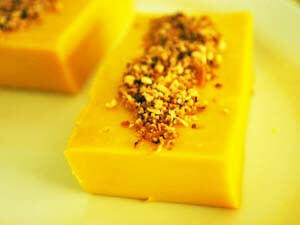
An easy to cook squash maja blanca made with cornstarch, milk, coconut milk and squash. A nutritious dessert for kids especially those who don’t like to eat vegetables. Cooking this maja is a the same as the ordinary maja with just an addition of mashed squash.
Creamy and Easy Squash Maja for Everyday Merienda
If there’s one Filipino dessert that always reminds me of family gatherings and merienda after school, it’s maja blanca. It’s simple, creamy, and easy enough for beginner cooks to make without feeling intimidated in the kitchen. This squash maja takes that familiar comfort food and gives it a colorful and nutritious twist with the addition of kalabasa.
The first time I made squash maja at home, I honestly expected it to taste strongly of vegetables. Surprisingly, it didn’t. The squash blended smoothly into the coconut and milk mixture, adding a mild sweetness and a beautiful golden color instead of an overpowering flavor. Even picky eaters barely noticed there was squash in it. My nephew, who usually pushes vegetables aside during dinner, happily asked for a second slice straight from the refrigerator.
What makes this Filipino kakanin extra appealing is how easy it is to prepare using pantry staples. There’s no baking involved and no complicated techniques to master. As long as you keep stirring and pay attention to the texture, you’ll end up with a smooth and creamy dessert that firms up beautifully once chilled.
Why Squash Works Well in Maja Blanca
Traditional maja blanca is usually made with coconut milk, cornstarch, sugar, and milk. In this squash maja version, mashed kalabasa adds body, natural sweetness, and extra nutrients without changing the familiar creamy texture people love.
Squash has a naturally soft and starchy consistency when boiled, which helps the dessert become richer and smoother. This is especially useful because the mashed vegetable blends into the mixture almost seamlessly. Instead of tasting like a vegetable dish, the finished dessert becomes lightly earthy with hints of caramel-like sweetness.
Using squash is also a practical way to encourage children to eat vegetables. Since the flavor is mellow and balanced by coconut milk and sugar, many kids won’t even realize they’re eating kalabasa. It’s one of those quiet kitchen tricks Filipino moms and titas have relied on for years.
Another reason this technique works is because squash contains natural moisture. When mixed into the cornstarch base, it helps create a softer and creamier bite compared to plain maja blanca. The texture feels more velvety instead of rubbery, especially after refrigeration.
Preparing the Squash Properly
One common mistake beginners make when cooking squash maja is using watery squash. If the boiled kalabasa contains too much liquid, the dessert may not set properly and can turn overly soft after chilling.
I learned this the hard way after rushing the boiling process once. The mixture looked thick while cooking, but after several hours in the refrigerator, it still had a pudding-like consistency instead of clean slices. Since then, I make sure to drain the squash thoroughly before mashing.
The best method is to boil the squash until fork tender, then allow it to sit in a strainer for a few minutes. Mash it while still warm so it becomes smooth and lump-free. A few small chunks are fine, but large pieces can affect the final texture of the maja.
You’ll also notice that deeper orange squash varieties produce a more vibrant dessert. The color becomes naturally rich without needing food coloring, making the finished dish look more appetizing on the table.
Cooking the Squash Maja Mixture
Making squash maja follows the same process as ordinary maja blanca, but timing and heat control matter a lot. Everything except the margarine goes into the saucepan first: mashed squash, cornstarch, evaporated milk, coconut milk, coconut cream, calamansi juice, and sugar.
Before turning on the heat, it’s important to whisk the ingredients thoroughly. Cornstarch tends to settle quickly at the bottom, and if it isn’t dissolved properly, you’ll end up with lumps once the mixture heats up.
As the mixture begins cooking, stir gently but continuously. This prevents scorching, especially because coconut milk burns easily over high heat. Medium to low heat works best here. You don’t want the bottom turning brown while the top is still thin.
One thing I always watch for is the change in appearance. At first, the mixture looks pale and cloudy. After several minutes of cooking, it slowly becomes glossy and slightly transparent. That’s usually the sign that the cornstarch is fully cooked.
The texture should also thicken enough to coat the spoon heavily. If it still pours like regular milk, keep cooking and stirring. Undercooked cornstarch leaves a raw starchy taste that becomes more noticeable after refrigeration.
Why Margarine Is Added Last
The margarine goes in only when the mixture has thickened properly. This small step makes a noticeable difference in texture and flavor.
Adding margarine too early can cause the fat to separate while cooking. When stirred in at the end, it melts smoothly into the hot mixture and creates a silkier consistency. It also adds a light buttery aroma that complements the coconut and squash flavors beautifully.
I usually notice the mixture becoming shinier after the margarine melts completely. The surface looks smoother and more polished, which is a good indicator that the dessert is ready for molding.
Molding and Cooling the Dessert
Once cooked, the squash maja should be transferred immediately into your desired mold or container. Since the mixture firms up quickly, waiting too long can make spreading difficult.
Lightly greasing the container beforehand helps prevent sticking later. I sometimes use a shallow rectangular dish because it makes slicing easier and gives cleaner edges when serving guests.
At room temperature, the dessert will begin setting within minutes. Still, refrigeration is important because it fully firms up the texture and improves the flavor. Cold squash maja tastes creamier and more refreshing, especially during hot afternoons.
I personally prefer chilling it overnight. The flavors settle better, and the slices become firmer without feeling tough.
A Filipino Dessert with Practical Roots
Like many Filipino kakanin, squash maja reflects the resourcefulness of home cooking. Coconut milk, squash, and cornstarch are affordable ingredients commonly found in local kitchens, especially in provinces where backyard vegetables are abundant.
Kalabasa has long been used in both savory and sweet dishes in the Philippines. From ginataang kalabasa to pumpkin-filled breads and desserts, its natural sweetness makes it versatile enough for everyday cooking.
During fiestas or family celebrations, maja blanca often appears beside other native delicacies like sapin-sapin and cassava cake. This squash maja version feels familiar yet slightly different, which makes it a nice addition to holiday tables or simple merienda spreads.
What I appreciate most about this dessert is how approachable it is. Even beginner cooks can make it successfully without expensive tools or advanced cooking skills. Once you understand how the mixture should look and feel while cooking, the process becomes surprisingly easy.
Serving Squash Maja for Everyday Merienda
Squash maja is best served cold straight from the refrigerator. The creamy texture pairs well with hot coffee, ginger tea, or even iced drinks during warmer weather.
Some families like adding toasted coconut on top for extra flavor and texture. Others prefer it plain so the creamy squash and coconut flavors stand out more clearly.
Leftovers also keep well in the refrigerator for a few days, making this dessert convenient for busy households. In fact, I think it tastes even better the next day after the flavors have had time to settle.
For anyone trying to introduce more vegetables into family meals without complaints from picky eaters, this creamy kalabasa dessert is honestly one of the easiest places to start. It delivers the comforting flavor of traditional maja blanca while adding a subtle richness that makes every chilled bite satisfying.
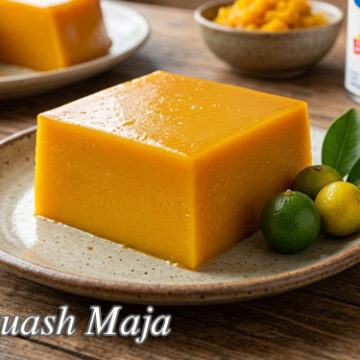
How to Make Squash Maja

Ingredients
- 2 cups boiled squash mashed
- 2 cups corn starch
- 1 big can evaporated milk
- 2 cups coconut milk
- 3 cups coconut cream
- 2 tablespoons calamansi
- 2 cups sugar
- 1 teaspoon margarine
Instructions
How to Make Squash Maja:
- In a saucepan, combine all ingredients (boiled mashed squash, cornstarch, evaporated milk, coconut milk, coconut cream, calamansi and sugar) except margarine.
- Mix well and allow to boil. Stir lightly to prevent scorching.
- Add margarine when mixture becomes thick and transparent.
- Pour the mixture into desired mold. Allow to cool.
- Refrigerate and serve cold.
Notes
Drain the Squash Well Before Mashing
After boiling the squash, let it sit in a strainer for a few minutes to remove excess water. Too much liquid can make the squash maja too soft and prevent it from setting properly after refrigeration. Mash the squash while still warm so it becomes smoother and easier to blend into the milk mixture.Stir Constantly Over Medium Heat
Keep stirring the mixture gently while cooking to prevent the bottom from scorching. Coconut milk burns faster than regular milk, especially when cooked over high heat for too long. Once the mixture turns glossy and thick, you’ll know the cornstarch is fully cooked and ready for molding.Chill the Squash Maja Before Serving
Allow the dessert to cool at room temperature first before placing it in the refrigerator. Chilling the squash maja for several hours helps the texture firm up and makes slicing much easier. The flavors also become richer and creamier once the dessert is fully cold.