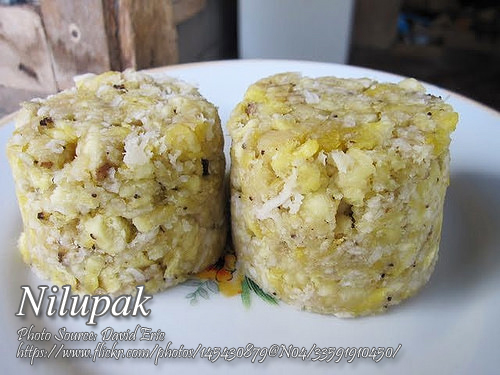
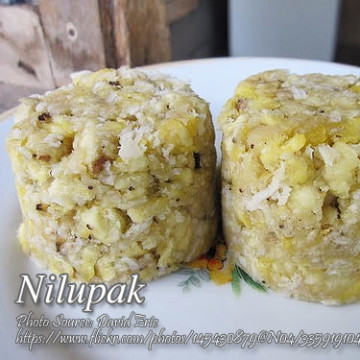
Nilupak is a combination of pounded saba bananas, coconut, sugar and vanilla. A delicious but simple Filipino delicacy that you can easily make anytime which can be served as snacks or dessert.
Nilupak: A Classic Filipino Merienda Made with Saba Bananas
There’s something comforting about homemade Filipino kakanin that brings back memories of family gatherings, merienda after school, and afternoons spent in the kitchen while someone pounds bananas in a large wooden mortar. Nilupak is one of those simple native delicacies that may not look fancy at first glance, but one bite instantly reminds you why it has remained a favorite for generations.
This traditional Filipino banana delicacy combines cooked saba bananas, coconut strips, brown sugar, and vanilla into a soft and chewy treat that’s commonly enjoyed as a snack or dessert. It’s rich, fragrant, and satisfying without requiring complicated ingredients or techniques. The beauty of this mashed saba dessert lies in its simplicity. When prepared properly, every bite is creamy, lightly sweet, and packed with real banana flavor.
Growing up, nilupak often appeared during rainy afternoons when there were extra saba bananas sitting on the counter waiting to ripen. My Tita would steam the bananas until tender and hand us the pestle to help mash them. It sounded easy until your arms started getting tired halfway through. But that pounding process is actually what gives this Filipino delicacy its signature sticky and smooth texture.
What Makes Nilupak Special
Unlike many modern desserts loaded with cream or artificial flavoring, nilupak relies on natural ingredients for taste and texture. Saba bananas are naturally starchy and mildly sweet, making them ideal for pounding into a thick mixture. Once mashed, they develop a sticky consistency that binds beautifully with coconut and sugar.
What makes this banana-based kakanin stand out is the balance of flavors. The earthy sweetness of saba bananas pairs perfectly with the slight caramel notes of brown sugar and the freshness of young coconut strips. Vanilla adds warmth and aroma without overpowering the dish.
Some versions of this Filipino mashed banana treat include butter or condensed milk, but the traditional preparation keeps things simple. In many provinces, the recipe has remained almost unchanged for decades because it already works so well.
Choosing the Best Bananas for Nilupak
One common mistake beginners make when preparing nilupak is using overly ripe bananas. While ripe saba bananas are excellent for frying or making turon, they can become too soft and watery for this recipe. Slightly unripe or just-ripe saba bananas are better because they hold their structure after cooking and create a firmer texture once mashed.
When steaming or boiling the bananas, cook them just until fork-tender. If they become overcooked, the mixture can turn gummy instead of pleasantly chewy. You’ll notice the flesh changes from pale cream to a slightly yellow shade once fully cooked.
Peeling the bananas while they’re still warm also helps. The skin comes off more easily, and the heat makes the pounding process smoother. My Kuya once waited too long before peeling them, and the bananas became dense and harder to mash evenly.
Why Pounding Matters in Making Nilupak
Traditional nilupak is pounded instead of simply mashed with a fork or blended in a food processor. This technique does more than break down the bananas. Pounding releases starch gradually while incorporating air into the mixture, giving the delicacy a smoother and slightly elastic texture.
Using a blender may seem faster, but it can overprocess the bananas and turn the mixture pasty. Hand-pounding keeps some body in the dessert while still removing lumps. Even if you use a potato masher as a shortcut, avoid mashing too aggressively all at once. Work gradually until the texture becomes cohesive.
As you combine the cooked saba bananas with brown sugar, coconut strips, and vanilla, the mixture becomes glossy and fragrant. The sugar dissolves into the warm bananas while the coconut adds chewiness and contrast. This step is where the flavor truly develops.
The Role of Coconut in Nilupak
Fresh buko strips are more important in nilupak than many people realize. They provide texture that balances the softness of the bananas. Without coconut, the dessert can feel too dense or one-dimensional.
Young coconut meat works best because it stays tender and slightly juicy. Mature coconut tends to be tougher and may overpower the soft consistency of the mashed banana mixture.
If you notice the mixture becoming too dry during pounding, adding a few tablespoons of coconut milk can help restore moisture. However, use it sparingly. Too much liquid may prevent the delicacy from holding its shape once arranged on the platter.
Nilupak as a Filipino Merienda Tradition
In many Filipino households, nilupak is closely associated with merienda culture. It’s the kind of snack often served with hot coffee, ginger tea, or even a cold glass of sago’t gulaman on warm afternoons.
Historically, the word “nilupak” comes from the Filipino term “lupak,” which means to pound or mash. The technique itself has long been part of Filipino cooking traditions, especially in rural communities where wooden mortars and pestles were everyday kitchen tools.
Before electric mixers and food processors became common, families gathered around to help prepare dishes like this native delicacy by hand. The pounding became a shared activity, especially during fiestas and holidays. In some provinces, different ingredients like cassava, sweet potato, or gabi are also prepared using the same method.
That’s part of what makes nilupak feel nostalgic. It’s not just dessert. It carries memories of old kitchens, family conversations, and recipes passed down without written measurements.
Common Problems When Cooking
One issue beginners encounter is a mixture that turns too sticky to handle. This usually happens when the bananas are overripe or overcooked. Starting with firmer saba bananas helps maintain a better texture.
Another common problem is uneven sweetness. Brown sugar should be added gradually because saba bananas naturally vary in sweetness. Taste the mixture while pounding so you can adjust accordingly. Sometimes I reduce the sugar slightly if the bananas are already sweet enough.
Lumps can also become an issue if the bananas are not mashed thoroughly before adding the other ingredients. Once coconut strips are mixed in, it becomes harder to smooth out remaining chunks.
If the dessert feels too firm after cooling, lightly warming it before serving softens the starches again and improves texture.
Serving and Storing
Freshly made nilupak is best enjoyed slightly warm or at room temperature. The aroma of vanilla and banana is more pronounced while it’s still fresh. Traditionally, it’s arranged on a platter, flattened gently, then sliced into squares, diamonds, or rectangles for serving.
Some families top the dessert with grated coconut or brush it lightly with butter for added richness. Others prefer wrapping portions in banana leaves, which adds a subtle earthy aroma and keeps the delicacy moist.
Leftovers can be refrigerated for a couple of days, though the texture becomes firmer when chilled. Reheating briefly in the microwave or steaming for a few minutes helps restore softness.
Why Nilupak Remains a Filipino Favorite
Despite the popularity of modern cakes and pastries, nilupak continues to hold a special place in Filipino kitchens because it’s affordable, filling, and deeply rooted in tradition. It transforms humble ingredients into something comforting and memorable.
For beginner cooks, this recipe is also forgiving and approachable. There’s no need for ovens, complicated equipment, or precise baking techniques. As long as the bananas are properly cooked and patiently mashed, the result is almost always rewarding.
More importantly, making nilupak feels personal. From pounding the bananas to adjusting sweetness according to taste, every batch reflects the cook behind it. That homemade quality is what makes this classic Filipino delicacy worth preparing again and again.
How to Make Nilupak

Ingredients
- 4 cups unripe saba cooked and pounded
- 1/2 cup brown sugar
- 2 cups buko medium hard
- 1/2 teaspoon vanilla
Instructions
How to Make Nilupak:
- Boil the saba bananas then pound until the lumps are gone.
- Combine the above ingredients, and pound once more.
- Mix till well blended. Arrange on a platter and cut into desired shapes.
- Yield: 6 to 8 servings.
Notes
Use Slightly Unripe Saba Bananas
Choose saba bananas that are firm and slightly unripe because they hold their texture better when cooked and pounded. Overripe bananas can make nilupak too soft and sticky, especially after cooling. The firmer bananas also give the dessert a pleasantly chewy consistency that traditional nilupak is known for.Pound the Bananas While Warm
Mash or pound the cooked bananas while they are still warm for a smoother and lump-free texture. Warm bananas break down more easily and absorb the sugar and vanilla better during mixing. If the bananas cool completely before pounding, the mixture can become dense and harder to blend evenly.Add Brown Sugar Gradually
Stir in the brown sugar little by little instead of adding everything at once to avoid making the nilupak overly sweet. Saba bananas naturally vary in sweetness, so tasting as you mix helps balance the flavor properly. Gradual mixing also allows the sugar to dissolve evenly into the warm mashed bananas for a smoother finish.